

Modernization of a W&H Dual CI 2 × 4 Color Flexographic Press
Customer
Hood Plastics
Project type
Electrical modernization, Mechanical modernization
Year
2020
Project scope
$2.5M
Project description
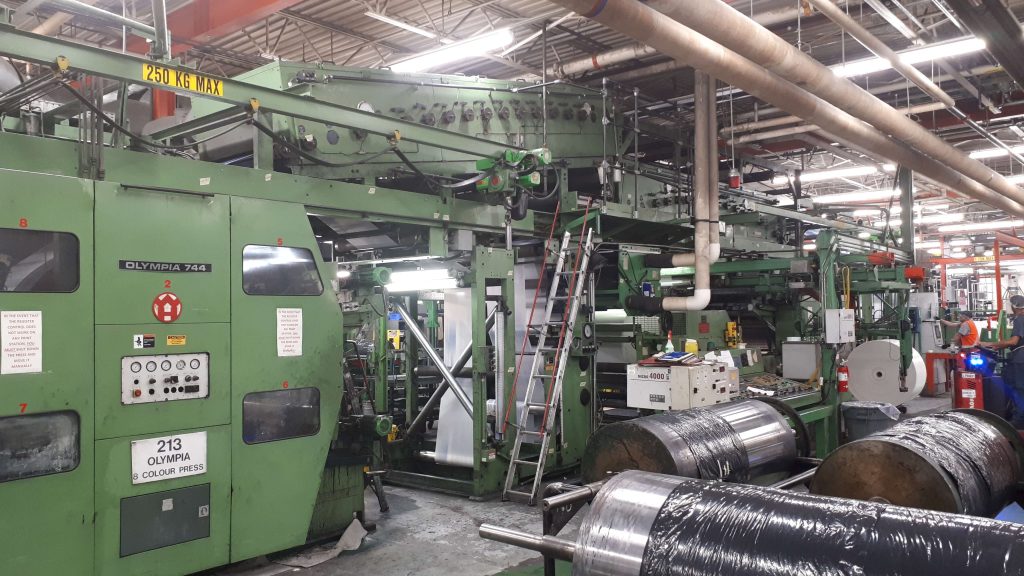
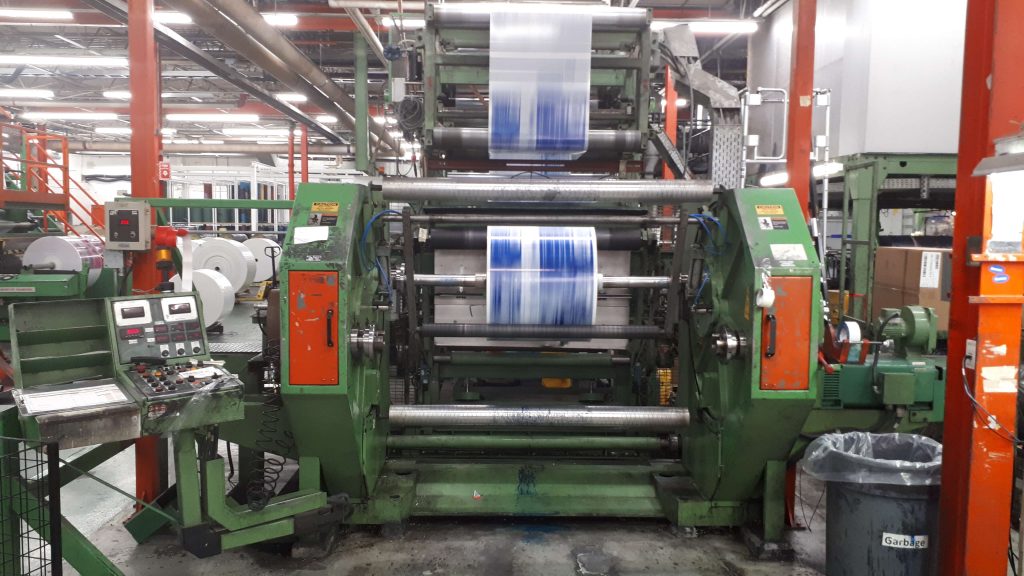
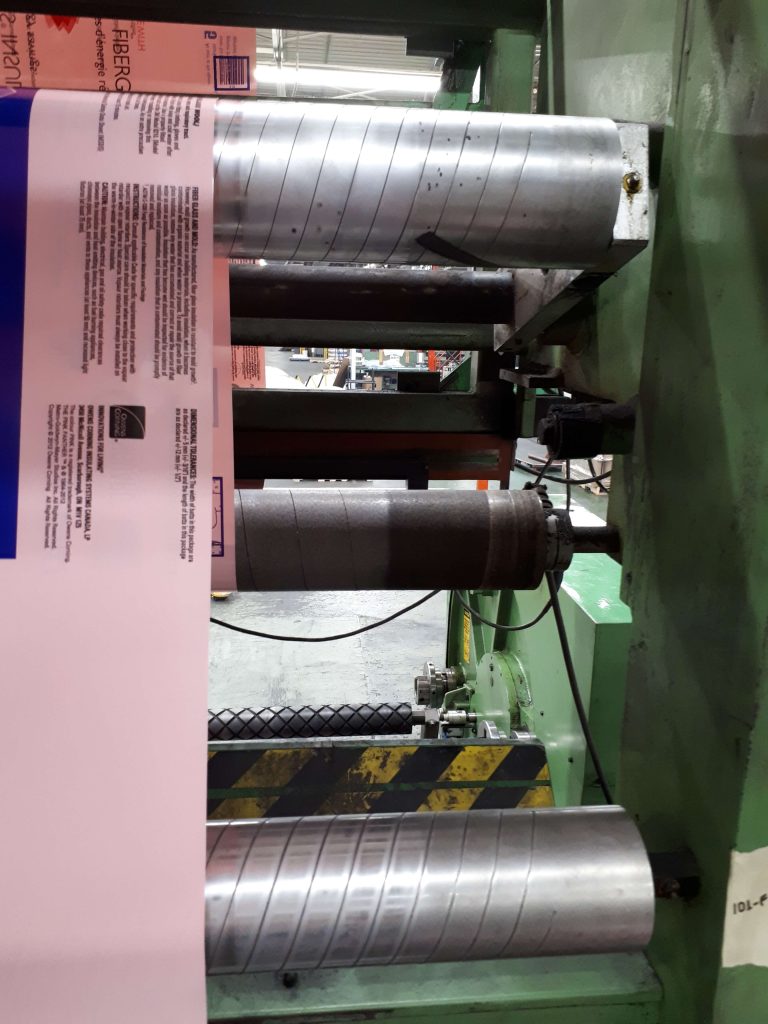
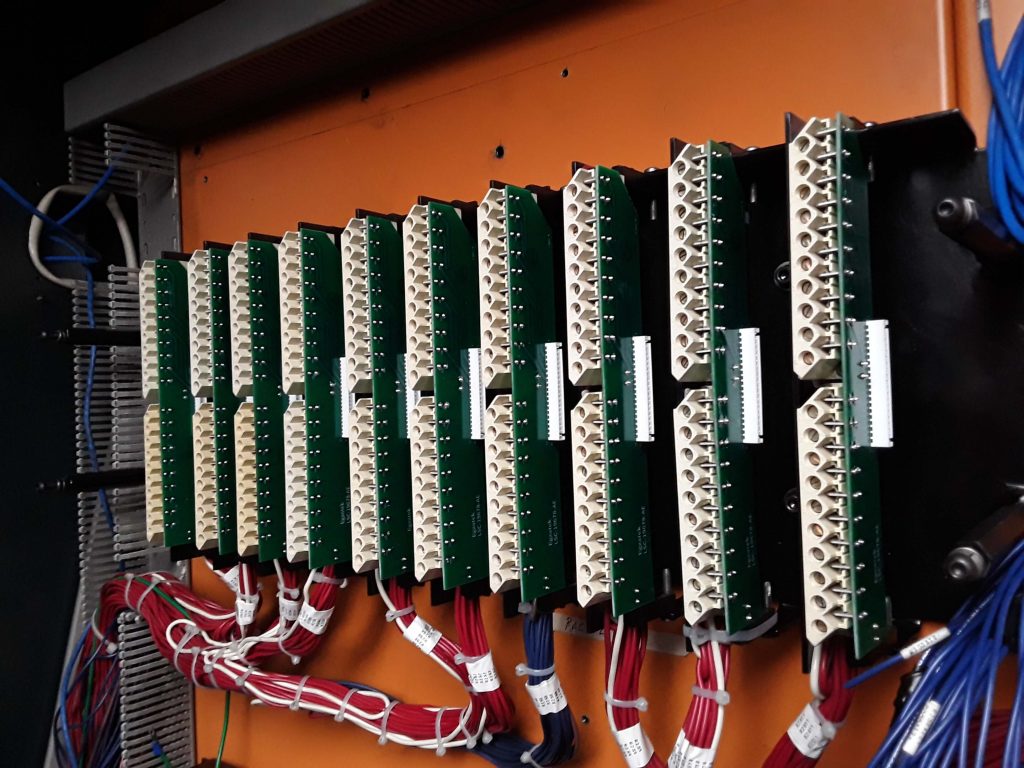
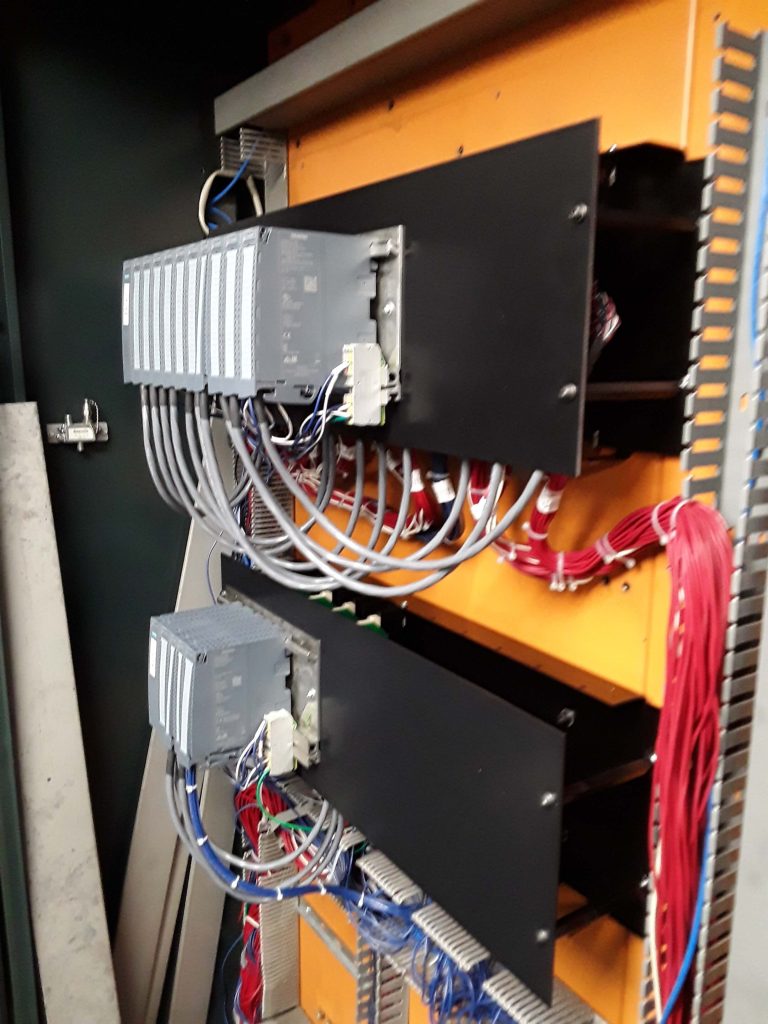
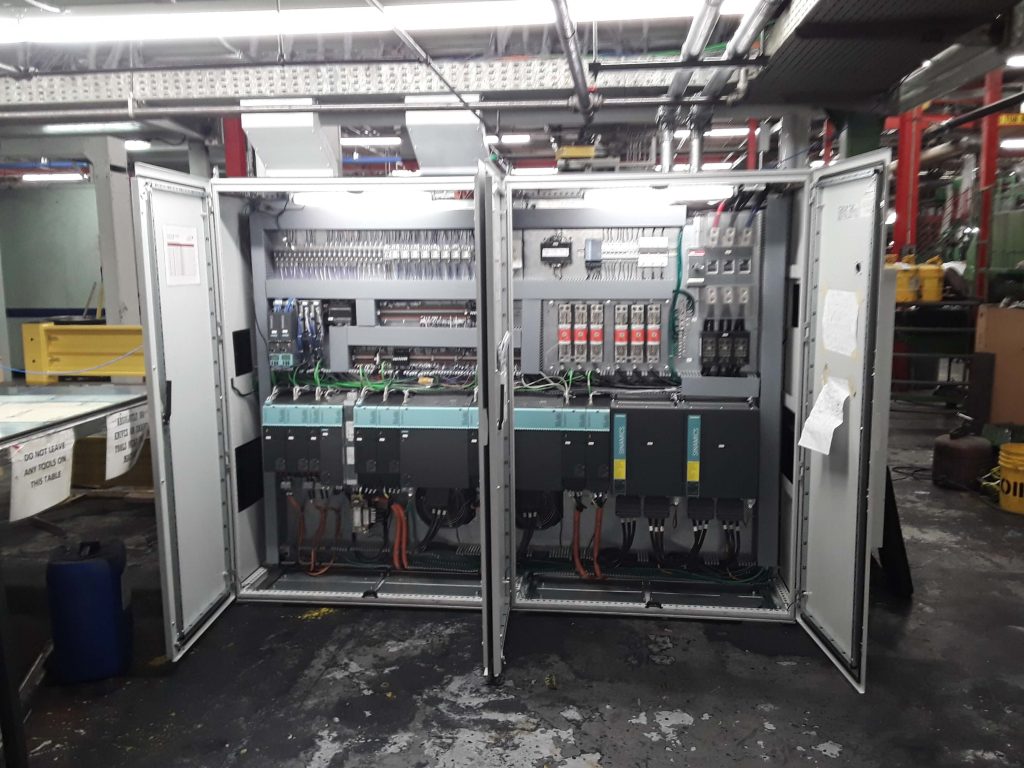
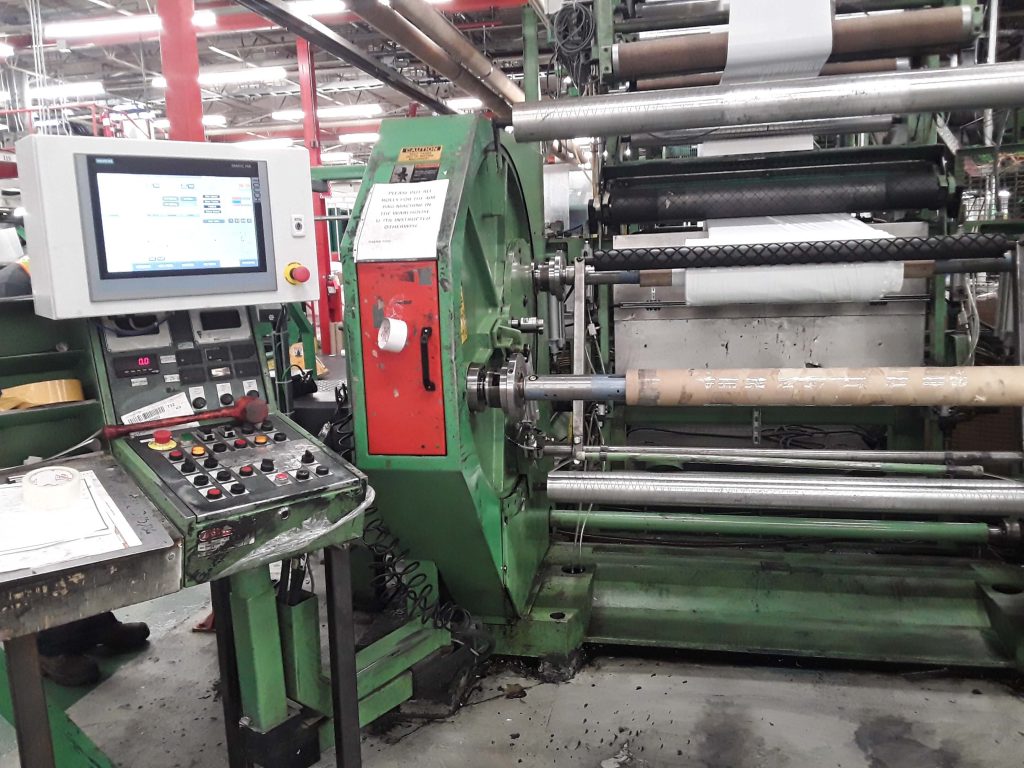
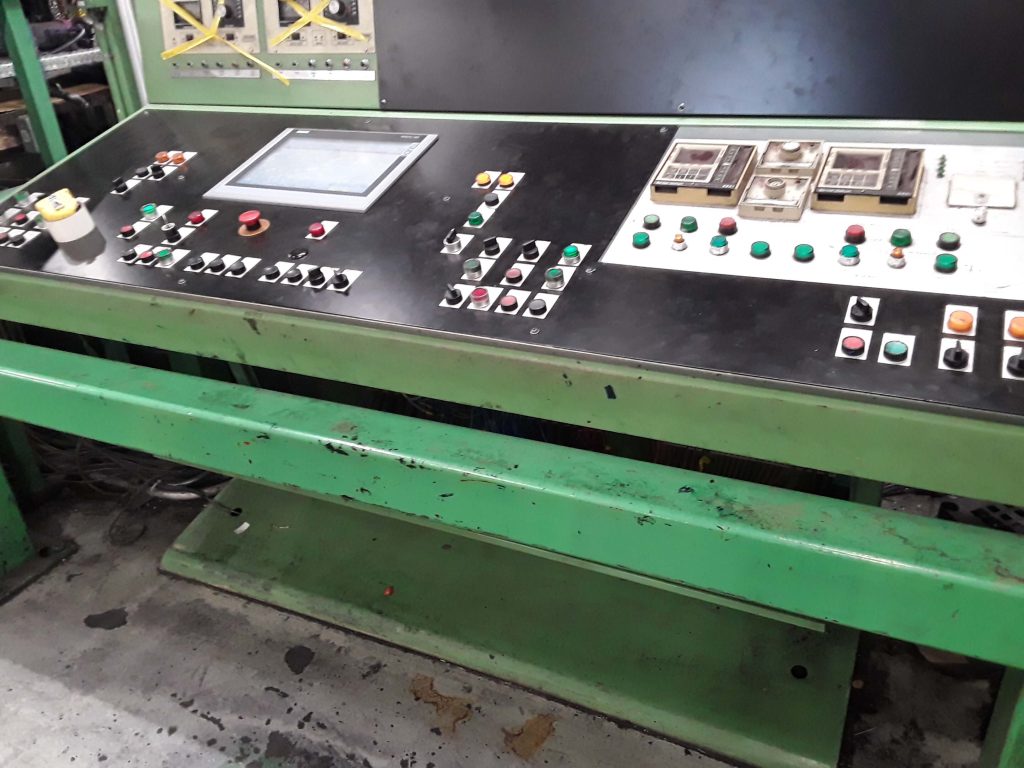
Egzatek completed the full modernization of a W&H Dual CI 2 × 4 color flexographic press to extend its service life, eliminate obsolescence risks, and improve overall performance. As a strategic asset within the client’s operations, this press had evolved over the years to incorporate several specialized production features and manufacturing methods that remained essential to production. The scope included a complete obsolescence assessment, rebuilding the automation architecture around a Siemens S7-1500T and SINAMICS S120 platform, manufacturing new CSA-compliant control panels, upgrading safety systems, tension control and operator interfaces, as well as converting the entire press to a modern servo architecture. In parallel, Egzatek carried out an extensive mechanical refurbishment program covering all eight printing units, unwind and rewind systems, drive trains, pneumatic and hydraulic systems, as well as complete machine alignment. A significant portion of the engineering, manufacturing, and pre-installation work was completed before shutdown in order to minimize downtime and maximize the project’s return on investment.
Rather than replacing this equipment with a new press requiring a significantly larger investment, the client chose to modernize an asset that was already fully integrated into its operations and possessed several unique capabilities that would have been difficult to replace. This approach preserved the features that made the machine unique while providing a modern technology platform that is more reliable and easier to maintain. The combination of the servo conversion, electrical modernization, and mechanical refurbishment also created opportunities for significant improvements in print quality, tension control, auto-splice performance, waste reduction, and overall operational efficiency.
Key work completed
- Complete replacement of automation and drives with a Siemens S7-1500T and SINAMICS S120 platform.
- Conversion of the press from a central line shaft mechanical drive system to a fully servo-driven architecture.
- Complete redesign of operator controls and migration to new modern HMI interfaces.
- Manufacturing and installation of new CSA-compliant electrical panels.
- Full modernization of tension control, instrumentation, and machine safety systems.
- Servo conversion of unwind, rewind, and critical production axes.
- Refurbishment of all eight printing units and upgrading of registration mechanisms.
- Rebuilding of critical drive train, transmission, and web-guiding components.
- Modernization of pneumatic, hydraulic, and cooling systems.
- Complete press realignment and web path optimization.
- Commissioning, performance validation, and operator training.
The operational impact
The press modernization significantly improved print quality through the complete replacement of the central line shaft drive system with an electronically synchronized servo architecture. Eliminating backlash, mechanical torsion, and speed variations improved registration stability and reduced print drift during long production runs. This improvement resulted in fewer registration adjustments, better job-to-job repeatability, and reduced scrap associated with print corrections, typically in the range of 5-10%.
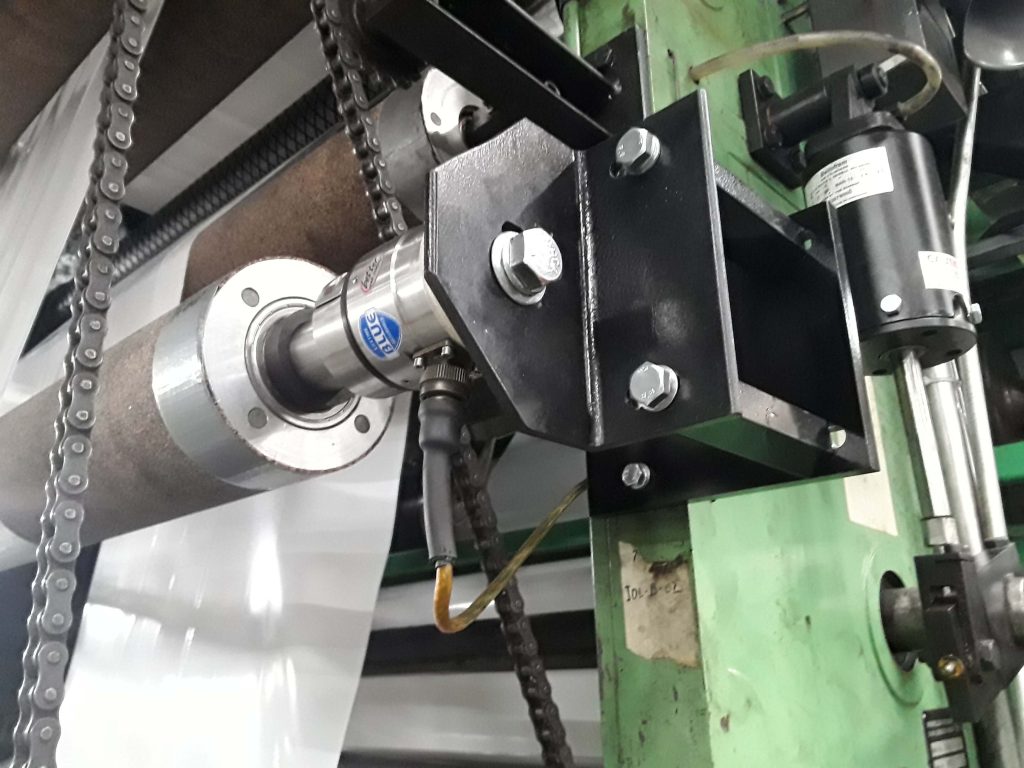
The integration of new servo motors, load cells, tension sensors, and advanced control strategies also stabilized the web path throughout the process. With more consistent tension between the various sections of the press, substrate variations were reduced, directly improving print quality, register stability, and overall line performance. This improved process control typically contributes to a 10-15% reduction in production losses while providing greater consistency at higher operating speeds.
The servo conversion of the unwind and rewind sections ultimately improved full-speed auto-splice reliability and overall press synchronization. Combined with the mechanical refurbishment work and modernization of the control systems, these improvements reduced operator intervention, production adjustments, and unplanned downtime. The result is a more stable, productive, and maintainable press, with an overall operational efficiency improvement of approximately 10% while significantly extending the equipment’s service life.
Other success stories
Let's turn your problem into a project.
Before even discussing price, we seek to understand your challenges. We identify opportunities and determine the best solution. Every project is unique, and we look forward to learning about yours.
Tell us about your project